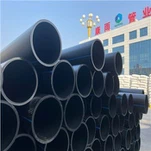
Connecting a PPR (Polypropylene Random Copolymer) pipe to a PEX (Cross-linked Polyethylene) pipe is a common plumbing task when you need to join different types of pipes in a plumbing system. Both PPR and PEX pipes have their unique advantages, and being able to connect them effectively allows for greater flexibility and adaptability in plumbing projects. In this article, we will discuss several methods for connecting PPR and PEX pipes, each with its own set of advantages and considerations.
1. Using Transition Fittings:
Transition fittings are specially designed connectors that allow you to join PPR and PEX pipes together seamlessly. These fittings are typically made of brass or another compatible material and have connectors on both ends, one for PPR and the other for PEX. Here's how to use them:
a. Cut the pipes: First, cut the PPR and PEX pipes to the desired length using a pipe cutter, ensuring clean, straight cuts.
b. Deburr the edges: Use a deburring tool or sandpaper to remove any rough or sharp edges from the cut ends of both pipes.
c. Prepare the pipes: Slide the appropriate size of PPR and PEX transition fittings onto the respective pipe ends. Ensure that the fittings are fully inserted but leave enough space for the pipes to expand and contract.
d. Connect the fittings: Push the PPR and PEX pipes into their respective ends of the transition fitting until they are snug and secure. Some transition fittings may also require tightening with wrenches, so follow the manufacturer's instructions.
2. Using Compression Fittings:
Compression fittings are versatile and can be used to connect different types of pipes, including PPR and PEX. Here's how to connect them:
a. Cut the pipes: As with transition fittings, start by cutting the PPR and PEX pipes to the desired length and deburr the cut ends.
b. Insert compression nuts and ferrules: Slide a compression nut and ferrule onto each pipe end, starting with the PPR pipe and then the PEX pipe.
c. Join the pipes: Insert the PEX pipe into the PPR compression nut and ferrule, ensuring a snug fit. Tighten the compression nut onto the PEX pipe, using a wrench to secure the connection. Repeat the process for the other end, connecting the PPR pipe to the PEX compression fitting.
3. Using Push-Fit Connectors:
Push-fit connectors, also known as push-to-connect or quick-connect fittings, provide a simple and reliable way to connect PPR and PEX pipes without the need for additional tools or soldering. Here's how to use them:
a. Cut the pipes: Cut the PPR and PEX pipes to the required length and deburr the cut ends.
b. Prepare the pipes: Ensure the pipes are clean and free of debris. Push-fit connectors work best when the pipe ends are smooth and clean.
c. Insert the pipes: Push the PEX pipe into one end of the push-fit connector and the PPR pipe into the other end until they are fully seated. Push-fit connectors have built-in seals that create a watertight connection.
d. Test the connection: Once the pipes are inserted into the push-fit connectors, check for any leaks by running water through the connected pipes. If there are no leaks, the connection is secure.
4. Using SharkBite Fittings:
SharkBite fittings are a specific brand of push-fit connectors known for their reliability and ease of use. They can also be used to connect PPR and PEX pipes. Here's how:
a. Cut the pipes: Cut the PPR and PEX pipes to the desired length and deburr the cut ends.
b. Insert the SharkBite fitting: Simply push the PEX pipe into one end of the SharkBite fitting and the PPR pipe into the other end. The SharkBite fitting's internal components will create a secure and watertight seal.
c. Test the connection: As with push-fit connectors, run water through the connected pipes to check for any leaks. If there are no leaks, the connection is ready for use.
In conclusion, connecting a PPR pipe to a PEX pipe can be accomplished using various methods, including transition fittings, compression fittings, push-fit connectors, and specifically designed fittings like SharkBite. The choice of method may depend on factors such as the specific plumbing application, available tools, and personal preferences. Regardless of the method chosen, it's essential to ensure that the connections are secure and leak-free to maintain the integrity of the plumbing system. Always follow the manufacturer's instructions and best practices for the chosen connection method to ensure a reliable and durable joint.