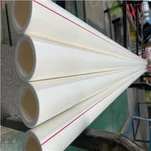
Polypropylene Random Copolymer (PPR) pipes are versatile and commonly used for various plumbing and heating applications. However, when it comes to radiator heating systems, there are certain considerations to keep in mind. In this article, we will explore whether PPR pipes are ideal for radiator heating and discuss the advantages and potential challenges of using PPR pipes in this context.
Advantages of Using PPR Pipes for Radiator Heating:
Corrosion Resistance: PPR pipes are highly resistant to corrosion, which is a significant advantage in radiator heating systems. Corrosion can be a common issue in heating systems due to the high-temperature water circulating through the pipes. PPR's resistance to corrosion ensures the longevity and reliability of the system.
High-Temperature Resistance: PPR pipes can withstand hot water temperatures of up to 95°C (203°F) without deformation or deterioration. This property makes them suitable for use in radiator heating systems, where hot water is essential for effective heating.
Leak-Free Joints: PPR pipes are joined using heat fusion welding, creating seamless and leak-free connections. Radiator heating systems require airtight and reliable connections to maintain system efficiency, and PPR's joint strength is advantageous in this regard.
Smooth Interior Surface: PPR pipes have a smooth inner surface that minimizes friction and prevents the buildup of scale and deposits. This ensures efficient water circulation and heat transfer in radiator systems.
Non-Toxic and Hygienic: PPR is a non-toxic material that does not release harmful substances into the heating system, ensuring the delivery of safe and clean heat. Its resistance to bacterial growth also contributes to the overall hygiene of the heating system.
Ease of Installation: PPR pipes are lightweight and easy to handle, making them convenient for installation in radiator heating systems. Their ease of installation can lead to reduced labor costs and quicker project completion.
Challenges and Considerations:
While PPR pipes offer several advantages for radiator heating systems, there are some considerations and potential challenges to be aware of:
Expansion and Contraction: PPR pipes have a relatively high coefficient of thermal expansion. In radiator heating systems, where temperature fluctuations are common, this expansion and contraction can lead to stresses on the pipes and fittings. To mitigate this, proper installation techniques and the use of expansion compensators may be necessary.
Compatibility with Radiators: PPR pipes must be compatible with the radiators used in the heating system. Some radiators may have specific requirements for pipe connections, such as threaded connections, which may necessitate adapters or transition fittings.
Pressure Rating: Ensure that the PPR pipes used in the heating system have an appropriate pressure rating to handle the operating pressure of the system. Radiator heating systems typically operate at lower pressures compared to plumbing systems, but it's essential to select pipes that meet the requirements.
Water Quality: The quality of the water used in the heating system can impact the longevity of PPR pipes. Water with high mineral content or impurities may lead to scale buildup over time, potentially affecting system efficiency.
Professional Installation: Radiator heating systems should be installed by qualified professionals who are familiar with the specific requirements of the system. Proper installation is crucial to ensure the system's effectiveness and longevity.
In conclusion, PPR pipes can be a suitable choice for radiator heating systems, provided that they are installed and maintained correctly, and the specific challenges associated with thermal expansion and compatibility with radiators are addressed. Their corrosion resistance, high-temperature tolerance, leak-free joints, and hygienic properties make them advantageous for such applications. However, it's essential to work with experienced professionals and select PPR pipes that meet the pressure and temperature requirements of your heating system to ensure its efficient and reliable operation over time.